

Drifting
Drifting
Nature’s Influence on Mental Health
Drifting:
When we find ourselves in close proximity to water, our brain transitions into a semi-meditative state, a state that is commonly referred to as drifting. Drifting is a unique form of attention, a gentle mental state that allows us to be fully engaged with the world around us. It signifies a moment when we are not preoccupied with the pressure of accomplishing tasks or meeting deadlines. Instead, in this state, we are simply present, aware of our surroundings, and able to appreciate the beauty around us without the constant urge to move on to the next thing to do.
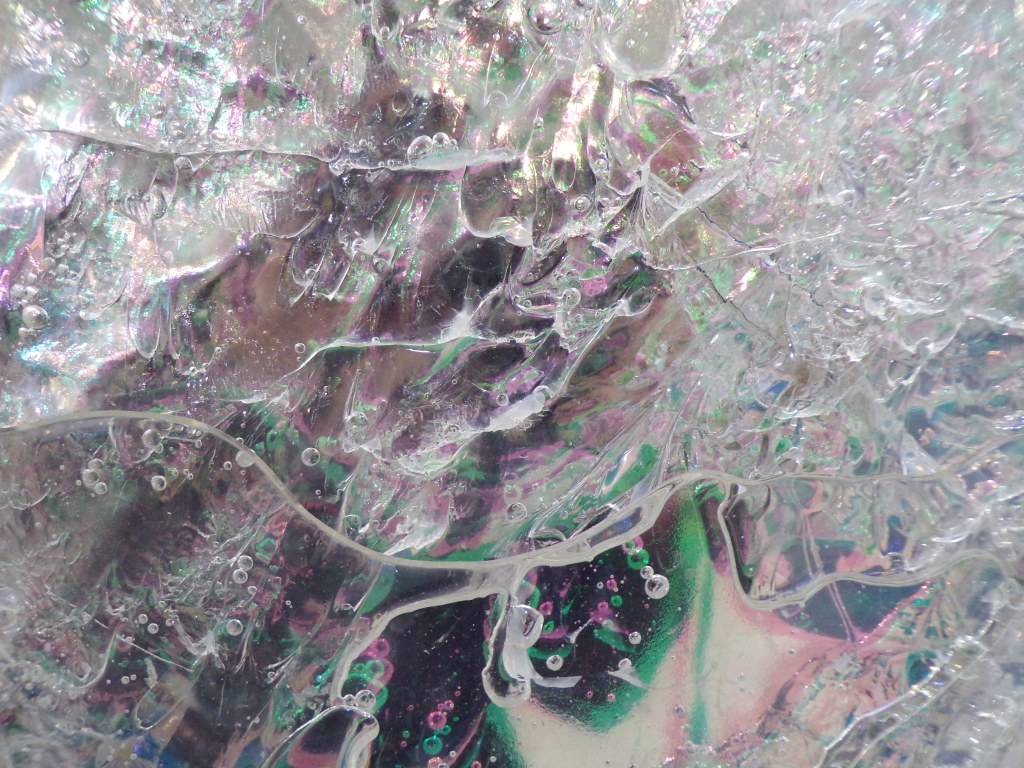
The artwork:
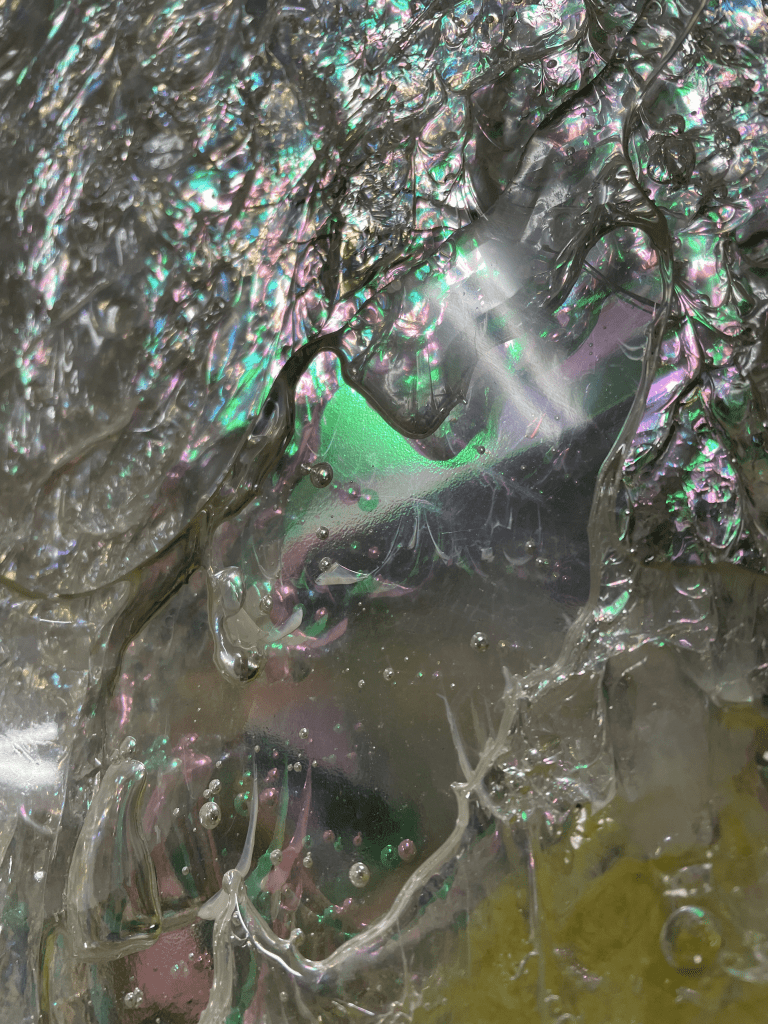
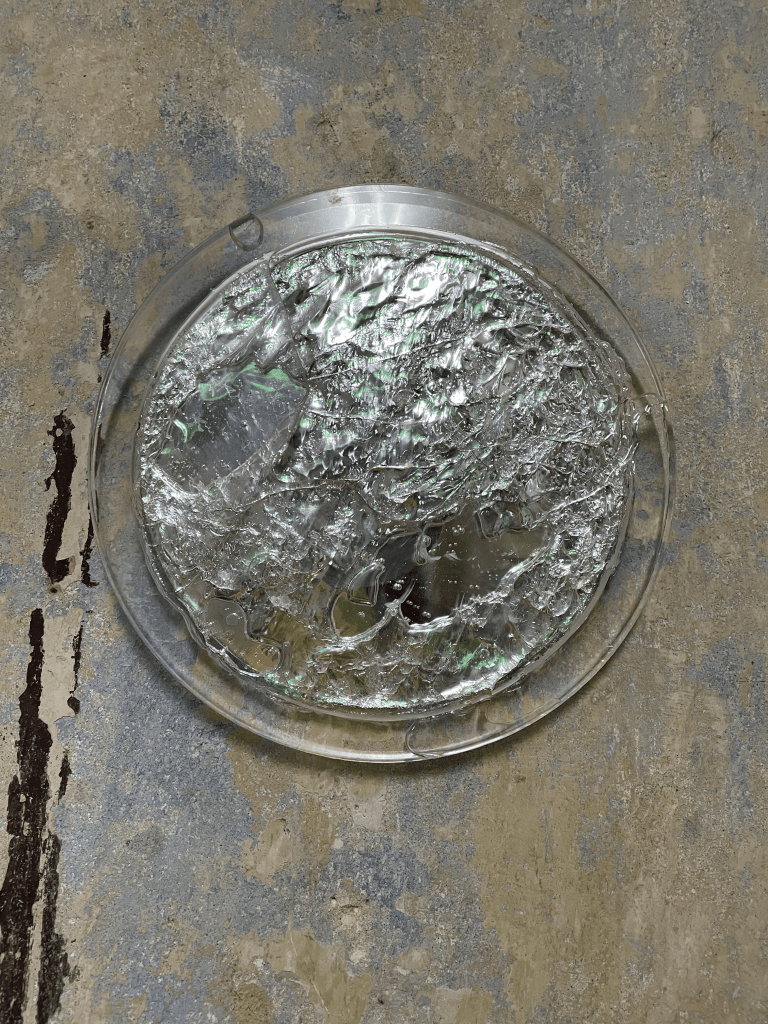
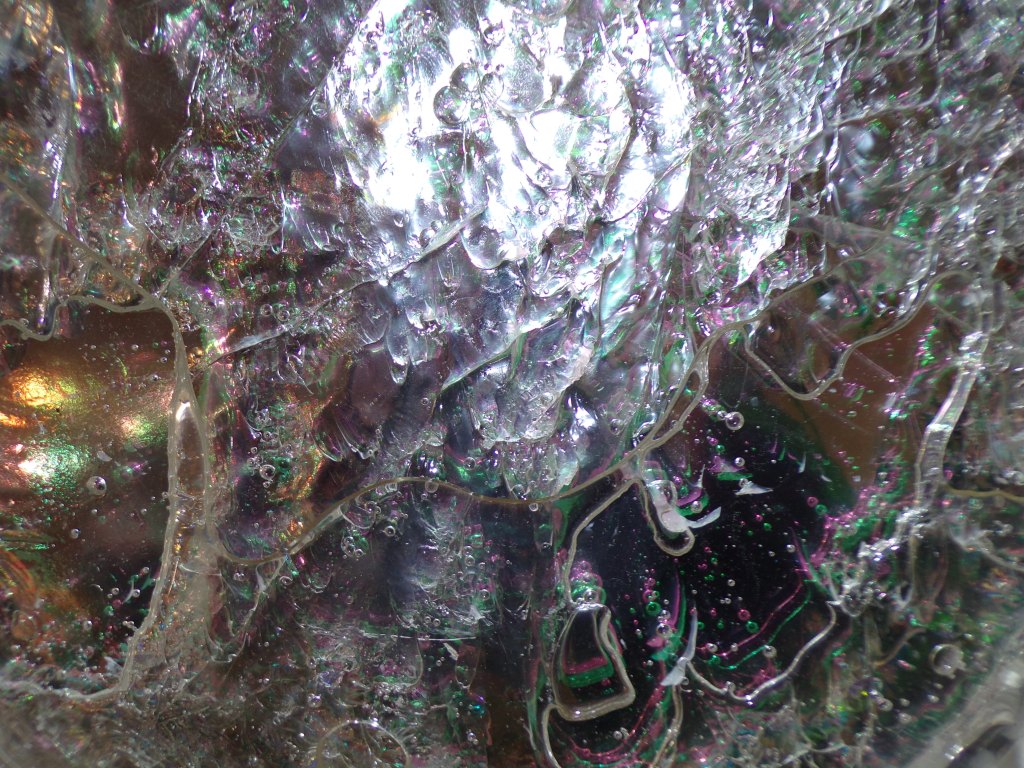
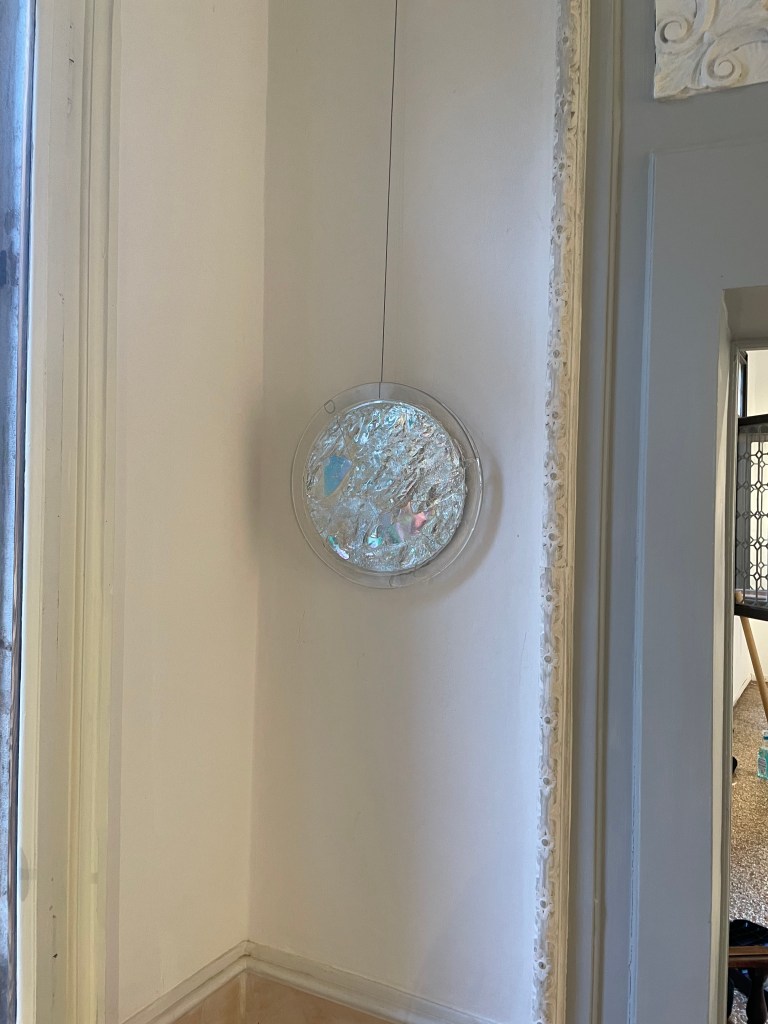
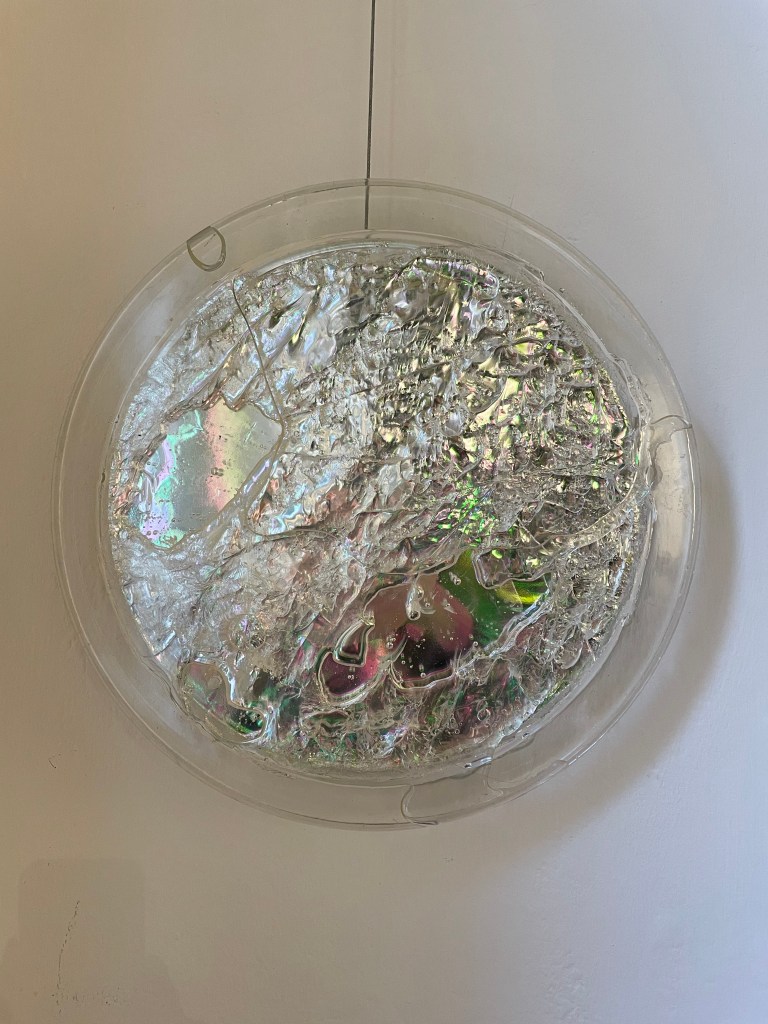
“Drifting” the artwork is a portal to water, a space for light reflection and self reflection. With the use of mixedmedia, the circular transparent material tries to resemble the constant movement of water, contrapposed to our constant status of change. A space for mental health, a space of healing.
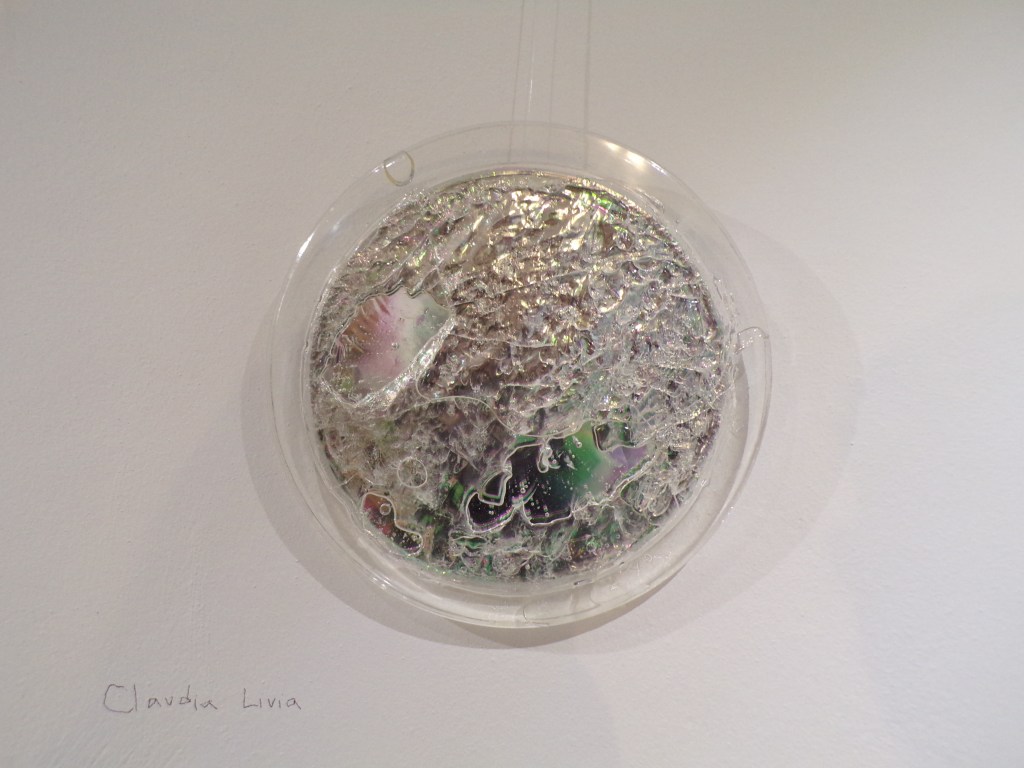
Water Heals the Mind: A Reciprocal Healing
In this dynamic exchange between human and nature, we find a profound connection through art and the elemental power of water. As we nurture and respect water, it in turn soothes our nervous system, creating a harmonious cycle of healing and renewal.





The Drifting phenomena studies:
The literature that has been henceforward referenced lends substantial support to the theoretical construct asserting that the act of observing nature, with a particular emphasis on bodies of water, has a direct impact on an individual’s subjective well-being. This impact suggests that the act of viewing water might possess ecologically rewarding properties, which are potentially a consequence of our inherent knowledge that has developed over a considerable period of natural selection. This inherent knowledge recognises that the availability of water alleviates the risk of dehydration. It is plausible that such emotional relief, derived from mitigating this ever-present threat, might be accompanied by demonstrable reductions in stress, as indicated by various autonomic indices.
The autonomic nervous system, which is responsible for the careful balancing of sympathetic and parasympathetic tones, occupies a crucial role in the regulation of blood pressure and heart rate under varying degrees of stress (as supported by Appelhans & Luecken, 2006; Balzarotti, Biassoni, Colombo, & Ciceri, 2017; Malpas, 2010; Seki, Green, Lee, Tsunetsugu, Takayama et al., 2014). The advancements in recent neurobiological research have identified specific subcortical and neocortical areas within the brain that could potentially account for changes in autonomic awaking. These changes affect both blood pressure and heart rate, and have a significant impact on the subjective sense of well-being.
Moreover, the phenomenon of flickering illumination, which is a notable specular property unique to rippling water, has the capacity to activate neurons located in the superficial layers of the human superior colliculus (SC). This activation can initiate eye-movement saccades (as referenced in Schneider & Kastner, 2005; Walker, Mannan, Maurer, Pambakian, & Kennard, 2000). That may also influence our perception of well-being when viewing water.


 Claudia Liviart